
Mastering the Art of Dutch Braiding: Your Ultimate Dutch Braid Tutorial
If you’ve ever admired those stunning, raised braids that look like they’re popping right off the head, you’re thinking of Dutch braids. They’re bold, beautiful, and surprisingly versatile. Whether you want a chic everyday look or a statement hairstyle for a special occasion, mastering the art of Dutch braiding is a fantastic skill to have in your styling toolkit. Today, I’m going to walk you through everything you need to know to create flawless Dutch braids with confidence and flair.
Why Dutch Braids Are a Must-Try Hairstyle
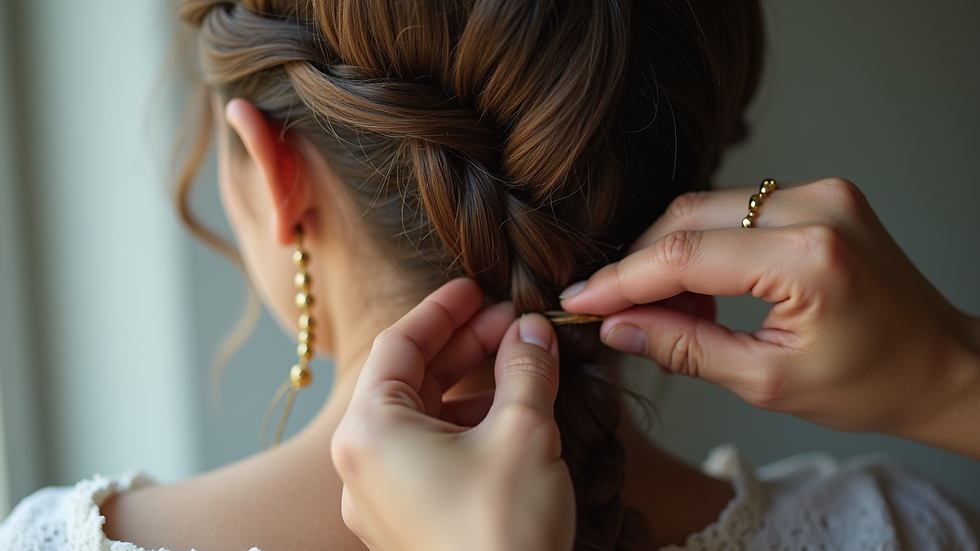
Dutch braids are sometimes called “reverse French braids” because instead of weaving the strands over each other, you weave them underneath. This technique makes the braid stand out more prominently, giving it a 3D effect that’s both eye-catching and elegant.
What I love most about Dutch braids is how adaptable they are. You can wear one single braid down your back, two braids for a sporty vibe, or even get creative with braided crowns or updos. Plus, they work on almost all hair types and lengths, making them accessible for everyone.
If you’re someone who enjoys expressing individuality through your hair, Dutch braids offer a unique canvas. Add some colourful hair accessories or ribbons, and you’ve got a look that’s truly your own.

Your Step-by-Step Dutch Braid Tutorial
Ready to dive in? Here’s a simple, step-by-step guide to help you master Dutch braiding. Don’t worry if it feels tricky at first - like any new skill, practice makes perfect!
Prep Your Hair
Start with detangled, dry hair. You can add a bit of texturising spray or mousse to give your hair some grip, which helps the braid hold better.
Section Your Hair
Take a section of hair from the top of your head where you want the braid to start. Divide this section into three equal strands.
Begin Braiding
Unlike a French braid where you cross strands over, for a Dutch braid, cross the side strands under the middle strand. This is the key to that raised braid look.
Add Hair Gradually
As you continue braiding, add small sections of hair to each side strand before crossing it under the middle strand. Keep your hands close to your scalp to maintain control.
Continue to the Nape
Work your way down the head, adding hair and crossing strands under until you reach the nape of your neck.
Finish the Braid
Once all hair is incorporated, continue with a regular three-strand braid to the ends. Secure with a hair tie.
Adjust and Set
Gently tug on the braid loops to make it look fuller and more textured. Finish with a light mist of hairspray to hold everything in place.
If you want a visual guide, check out this helpful how to do a dutch braid tutorial that breaks down the process beautifully.
How to do a French braid?
Before you master Dutch braids, it’s useful to understand French braids since they’re quite similar. The main difference is in the weaving technique. In a French braid, you cross the strands over the middle strand, which creates a braid that lies flat against the head.
Here’s a quick rundown:
Start with three sections at the crown.
Cross the side strands over the middle strand.
Add hair to each side section before crossing over.
Continue down the head, incorporating all hair.
Finish with a regular braid and secure.
French braids are elegant and classic, perfect for a polished look. Once you’re comfortable with French braids, switching to Dutch braids will feel like a breeze!
Tips and Tricks for Perfect Dutch Braids Every Time
Getting your Dutch braid just right can take a little practice, but these tips will speed up your progress:
Use a mirror or ask for help when you’re starting out. Seeing the back of your head can be tricky.
Keep your sections neat and even. This makes the braid look tidy and professional.
Don’t pull too tight. Braiding too tightly can cause discomfort and damage your hair.
Experiment with braid size. Thicker sections create chunky braids, while thinner sections give a delicate look.
Add accessories like beads, ribbons, or colourful elastics to personalise your style.
Practice on different hair textures. Some hair types hold braids better than others, so find what works best for you.
Remember, every braid you do is a step closer to mastery. Celebrate your progress and have fun with it!
Styling Ideas to Elevate Your Dutch Braids
Once you’ve nailed the basic Dutch braid, why stop there? Here are some creative ways to style your braids and make them uniquely yours:
Double Dutch Braids: Part your hair down the middle and create two Dutch braids for a sporty, youthful look.
Dutch Braid Crown: Braid around your head like a halo for a romantic, boho vibe.
Messy Dutch Braid Bun: Braid your hair and then twist it into a loose bun for an effortless chic style.
Incorporate Hair Accessories: Use colourful beads, floral clips, or handmade hair cuffs to add personality.
Mix with Other Braids: Combine Dutch braids with fishtail or rope braids for a complex, textured hairstyle.
These styles are perfect for any occasion, from casual days out to weddings or festivals. Plus, they pair beautifully with handcrafted hair accessories, which can add that extra pop of colour and individuality.
Embrace Your Creativity and Confidence
Mastering Dutch braids is more than just learning a hairstyle - it’s about expressing yourself and feeling confident in your look. Each braid you create is a little work of art, showcasing your creativity and style.
If you’re in Orange, NSW, and want to take your braiding skills to the next level, consider joining a workshop or booking a styling session. There’s something special about learning in a supportive environment where you can ask questions and get hands-on guidance.
So, grab your comb, some hair ties, and maybe a few fun accessories, and start braiding your way to a new, vibrant you. Remember, every expert was once a beginner, and with a little patience and practice, you’ll be rocking Dutch braids like a pro in no time!
Happy braiding!


Comments